The Quarterly Budget Check-In: Ten Minutes to Keep Your Finances on Track
- treasurer
- budget
- financial oversight
- booster clubs
- PTA
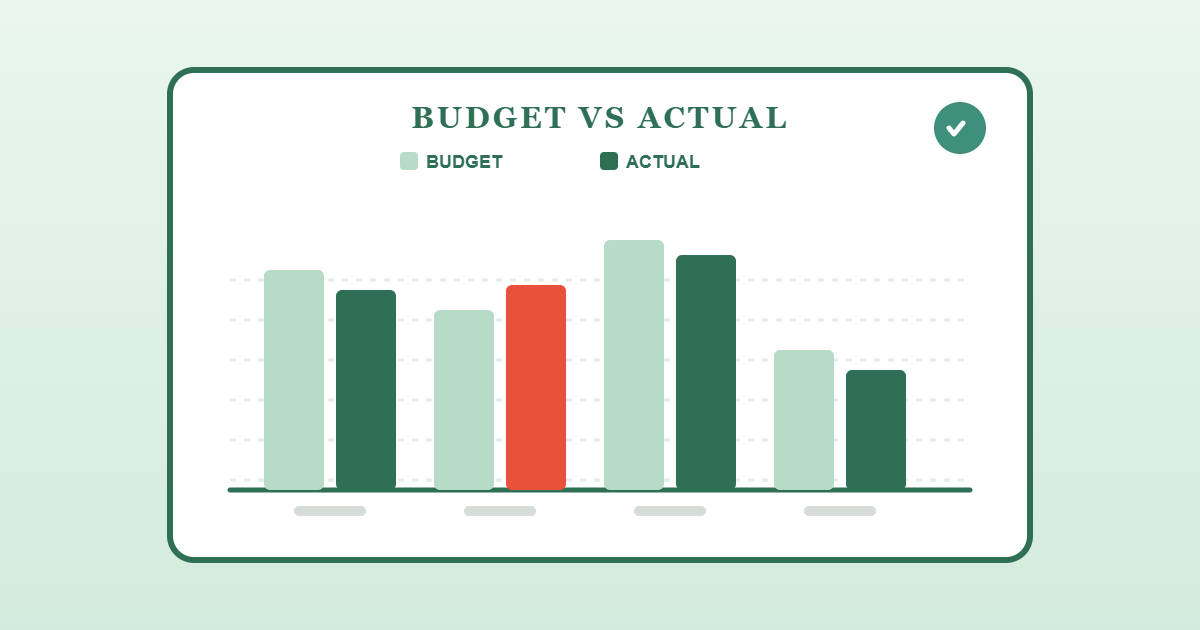
Many booster clubs and PTAs look closely at the budget twice: when they approve it and when the year ends. In between, money moves quietly, and small surprises become big ones. A short check-in each quarter keeps everyone informed and gives the board time to react.
Here's a simple check-in that a volunteer treasurer can run in about ten minutes once the numbers are ready.
What you need
Bring the budget your board approved, a current income and expense report, and your latest bank statement. Having all three in front of you makes the rest go quickly.
Step 1: Make sure the records match the bank
Before you compare anything to the budget, confirm that your records match your bank statement. If they don't, find out why first. A budget comparison built on numbers that don't reconcile isn't worth much.
Step 2: Compare budget and actual by category
List each income and expense category with four columns: the budget, the actual amount so far, what's left, and a short note. Mark the categories that are running well ahead of or behind what you planned.
Step 3: Separate timing from real problems
Some costs come all at once. A category that's over budget in the fall may be perfectly normal if the spending is front-loaded, and income that's behind may simply be scheduled for later. Ask whether each difference is timing or a real change.
Step 4: Look ahead to the rest of the year
List what's still coming, such as trips, events, and big purchases, and what income you expect. A quick forecast turns a look backward into a useful plan.
Step 5: Decide what needs to change
If a category is truly over, the board can decide whether to shift money, trim spending, or raise more. Changes to an approved budget usually need a board vote, so bring the recommendation to the next meeting rather than acting on your own.
Report it on one page
Keep the board report short: cash on hand, income compared with budget, spending compared with budget, and a few notes about anything unusual. A page people actually read is worth more than a long report they skim.
Keep the records for the next treasurer
Save each quarter's check-in in your shared records. Over the year they become a clear story for the next treasurer and for anyone who reviews your books.
Check your own rules
Your bylaws and any financial policy your group has adopted decide who approves budget changes, who can sign checks, and whether your books are reviewed. If your organization has annual filings or reviews, ask your treasurer or a tax professional which ones apply.
Your turn: how often does your board see budget versus actual? Tell us what schedule works for your group.
Comments